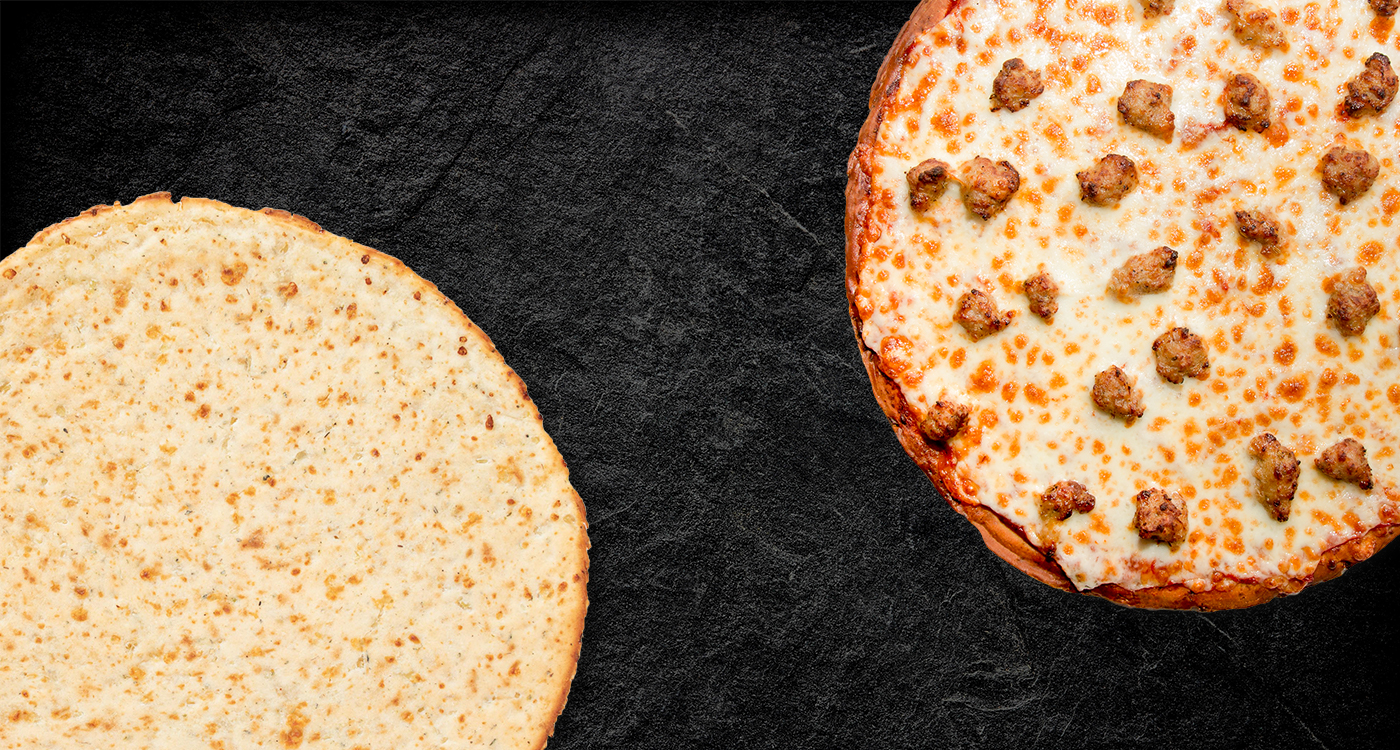
Low-Carb & Flavorful: Why Homemade Cauliflower Pizza Reigns
In a world increasingly seeking healthier, more mindful food choices, pizza—the ultimate comfort food—has sometimes felt like an indulgence best saved for cheat days. But what if you could enjoy all the cheesy, saucy goodness without the guilt, the heavy carbs, or the post-pizza sluggishness? Enter the magnificent Homemade & Healthy: Easy Gluten-Free Cauliflower Pizza Crust. This innovative, veggie-packed alternative has taken the culinary world by storm, moving from a niche health trend to a mainstream sensation. While store-bought frozen options exist, there's an undeniable magic and superior quality that comes from crafting your very own homemade cauliflower pizza crust. It’s not just about a healthier meal; it’s about reclaiming control over your ingredients, tailoring flavors to your exact preferences, and discovering a truly delicious way to enjoy pizza again.
The Unbeatable Benefits of a Homemade Cauliflower Pizza Crust
The allure of a homemade cauliflower pizza crust extends far beyond simply being an alternative; it offers a multitude of health and flavor advantages that make it a superior choice for many. Let's delve into why this versatile crust has become a staple for health-conscious foodies.
A Healthier Canvas for Your Cravings
At its core, cauliflower pizza crust is a nutritional powerhouse. It’s naturally low-carb and grain-free, making it an excellent option for those following ketogenic, paleo, or general low-carbohydrate diets. Unlike traditional wheat-based crusts that can cause spikes in blood sugar and contribute to a feeling of heaviness, a cauliflower crust provides a lighter, more sustained energy release. For individuals with Celiac disease, gluten intolerance, or even just sensitivity to gluten, this crust is a game-changer. It offers the joyous experience of pizza without the discomfort and health risks associated with gluten. Imagine enjoying a slice without worrying about digestive upset or inflammatory reactions — that’s the freedom a homemade gluten-free cauliflower pizza crust provides.
Beyond its low-carb and gluten-free status, cauliflower itself is a nutritional superstar. It's an excellent source of dietary fiber, promoting digestive health and satiety. It’s also rich in essential vitamins, including vitamin C (a powerful antioxidant), vitamin K (important for blood clotting and bone health), and B vitamins (crucial for energy metabolism). Furthermore, cauliflower contains various antioxidants and phytonutrients that support overall wellness and may help protect against chronic diseases. Using a cauliflower crust isn't just about cutting out unhealthy ingredients; it's about actively *adding* nutrient density to your diet.
Another fantastic benefit is its adaptability for various dietary needs. With a few simple substitutions, a cauliflower pizza crust can be made entirely vegan or dairy-free, catering to even more specific dietary requirements without compromising on taste or texture.
A Surprising Palate Pleaser
Perhaps the most common misconception about cauliflower pizza crust is that it tastes overwhelmingly of cauliflower. For many, this is a major turn-off. However, the reality is delightfully different! When prepared correctly, particularly when baked until wonderfully crispy, the crust boasts a remarkably neutral flavor profile. This allows the robust spices (garlic powder, onion powder, Italian seasoning) and savory cheeses to truly shine, creating a delicious foundation for any topping combination. The key to this pleasant surprise lies in achieving that satisfying crispness, which not only improves the flavor but also provides the familiar pizza mouthfeel that we all crave. Forget bland and soggy — think firm, slightly chewy, and perfectly golden!
Crafting Your Perfect Cauliflower Pizza Crust: Key Ingredients & Tools
The beauty of homemade cauliflower pizza lies in its relatively simple ingredient list, combined with a few crucial techniques. Understanding the role of each component is key to achieving that perfectly crisp and flavorful crust.
The Essential Ingredients
- Cauliflower: This is, of course, the star. You'll need about one medium-large head of cauliflower, which will be "riced" — finely chopped into rice-sized granules. The quality of your cauliflower matters, but the preparation is even more critical.
- Binding Agent (Egg): A single egg acts as the crucial binder, holding all the ingredients together and giving the crust its structure. For vegan versions, a flax egg or other plant-based binders can often be substituted effectively.
- Flavor Foundation (Spices): A blend of black pepper, garlic powder, onion powder, and Italian seasoning elevates the crust from bland to brilliantly savory. These spices complement the cauliflower's mild flavor without overpowering it.
- Cheesy Goodness (Parmesan & Mozzarella): Typically, a combination of grated Parmesan cheese and shredded mozzarella cheese is used. These cheeses not only contribute to the crust's incredible flavor but also aid in binding, lending a desirable texture and helping it brown beautifully.
Indispensable Tools for Success
While not extensive, having the right tools makes the process much smoother:
- Food Processor: Essential for quickly ricing fresh cauliflower. If you opt for pre-riced frozen cauliflower, you can skip this step!
- Microwave or Steamer: For gently cooking the riced cauliflower until tender.
- Cheesecloth or Clean Kitchen Towel: This is arguably the most vital tool! It's used for squeezing out excess moisture from the cooked cauliflower, a non-negotiable step for a non-soggy cauliflower pizza crust.
- Baking Sheet and Parchment Paper: Parchment paper prevents sticking and makes transfer a breeze, ensuring your crust remains intact.
From Florets to Flavor: Step-by-Step Guide to a Non-Soggy Crust
The journey from a humble head of cauliflower to a crispy pizza crust is straightforward, but it hinges on one critical step. Master this, and you'll consistently achieve pizza perfection.
Step 1: Ricing the Cauliflower
Your first task is to transform the cauliflower into rice-like granules. If using fresh cauliflower, wash and chop it into florets, then pulse them in a food processor until they resemble coarse rice. Be careful not to over-process, or you'll end up with a puree. For maximum convenience, frozen riced cauliflower is an absolute time-saver — it’s already prepped and ready to go!
Step 2: Cooking the Cauliflower
Once riced, the cauliflower needs a quick cook to soften it. Microwaving for 4-5 minutes is the fastest method, or you can steam it until tender. The goal is to cook it just enough so it becomes pliable.
Step 3: The Moisture Squeeze – The Secret Weapon!
This is the single most important step for a crispy, non-soggy cauliflower pizza crust. Once cooked, allow the cauliflower to cool slightly so you can handle it. Then, transfer the warm riced cauliflower to a clean cheesecloth or a sturdy, lint-free kitchen towel. Gather the edges and twist, twisting, twisting with all your might to squeeze out every last drop of excess water. You will be amazed at how much liquid comes out! This step is paramount; if you leave too much moisture, your crust will be soft, gummy, and prone to falling apart. Keep squeezing until no more water drips out, and the cauliflower feels very dry and crumbly – it should lose about a third to half of its original weight in water.
Step 4: Mixing and Forming the Crust
Once squeezed dry, transfer the cauliflower "pulp" to a mixing bowl. Add your egg, Parmesan, mozzarella, and all your chosen spices (garlic powder, onion powder, Italian seasoning, black pepper). Mix vigorously until all ingredients are well combined and form a cohesive dough-like ball. On a baking sheet lined with parchment paper, press the mixture out evenly into your desired pizza crust shape and thickness (typically a round, about ¼ to ½ inch thick). Thinner crusts tend to be crispier.
Step 5: Pre-Baking for Perfection
Pre-baking is another crucial step. Bake the crust alone in a preheated oven until it’s firm, lightly golden brown, and dry to the touch. This initial bake helps evaporate any remaining moisture and sets the structure, ensuring a sturdy base that won't get soggy once toppings are added. The crust should feel robust enough to handle before moving on.
Step 6: Topping and Final Bake
Now for the fun part! Spread your favorite low-carb pizza sauce, add your choice of cheese, and pile on your preferred toppings. Think fresh vegetables like bell peppers, mushrooms, and spinach, lean proteins such as grilled chicken or turkey pepperoni, and a sprinkle of fresh herbs. Avoid overly watery toppings that could introduce moisture back into your perfectly dried crust. Return the pizza to the oven until the cheese is bubbly and melted, and the crust edges are beautifully golden and crisp. Slice, serve, and savor the guilt-free delight!
Time-Saving Hacks for Busy Cooks
Life gets busy, but that doesn't mean you have to compromise on homemade goodness. Here are some smart shortcuts:
- Frozen Riced Cauliflower: This is a game-changer. It skips the food processor step and, often, the initial cooking stage (though you still absolutely *must* squeeze out the water!).
- Batch Prep: Make multiple crusts at once, pre-bake them, and then freeze them individually. You can then pull one out whenever a pizza craving strikes, significantly cutting down on prep time for future meals. For more tips on making healthy crusts, check out our guide on Homemade & Healthy: Easy Gluten-Free Cauliflower Pizza Crust.
Beyond the Basics: Customizing Your Cauliflower Pizza Experience
The beauty of homemade cauliflower pizza is its incredible versatility. Once you've mastered the basic crust, the possibilities for customization are endless.
Topping Transformations
Embrace a world of low-carb toppings that complement your healthy crust. Instead of sugary tomato sauces, opt for pesto, olive oil and garlic, or a low-sugar marinara. Load up on colorful vegetables like roasted red peppers, artichoke hearts, olives, and fresh arugula added after baking. For protein, consider grilled chicken, turkey sausage, or crumbled feta. Remember, less is often more, especially with wetter ingredients, to maintain that desired crispiness.
Flavor Variations for the Crust Itself
Don't stop at just salt and pepper! Experiment by adding different herbs and spices directly into the crust mixture:
- Herbal Infusion: A pinch of dried oregano, basil, or even a Mediterranean herb blend can add a deeper aromatic profile.
- Spicy Kick: Red pepper flakes can give your crust a subtle heat.
- Cheesy Swaps: While Parmesan and mozzarella are classic, consider a small amount of smoked gouda or a sharper cheddar for a different flavor dimension.
Making It Vegan or Dairy-Free
For those avoiding animal products, this crust can easily be adapted. Replace the egg with a "flax egg" (1 tbsp ground flaxseed mixed with 3 tbsp water, let sit for 5 minutes) or another suitable vegan binder. For the cheese, nutritional yeast offers a cheesy flavor, and there are many excellent dairy-free shredded cheese alternatives available that melt wonderfully.
Conclusion: Embrace the Homemade Cauliflower Pizza Revolution
Homemade cauliflower pizza is more than just a trend; it's a testament to how delicious and satisfying healthy eating can be. By taking control in your own kitchen, you unlock a world of flavor, nutrition, and customization that store-bought options simply can't match. From its significant low-carb and gluten-free benefits to its surprising savory taste and satisfyingly crispy texture, a homemade cauliflower pizza crust reigns supreme. It’s a versatile canvas for your culinary creativity, allowing you to enjoy your favorite comfort food guilt-free, packed with wholesome goodness. So, roll up your sleeves, embrace the "moisture squeeze," and discover why homemade cauliflower pizza isn't just a meal — it's a revolution in delicious, healthy eating. We can't wait to hear your thoughts and see your flavorful creations!
