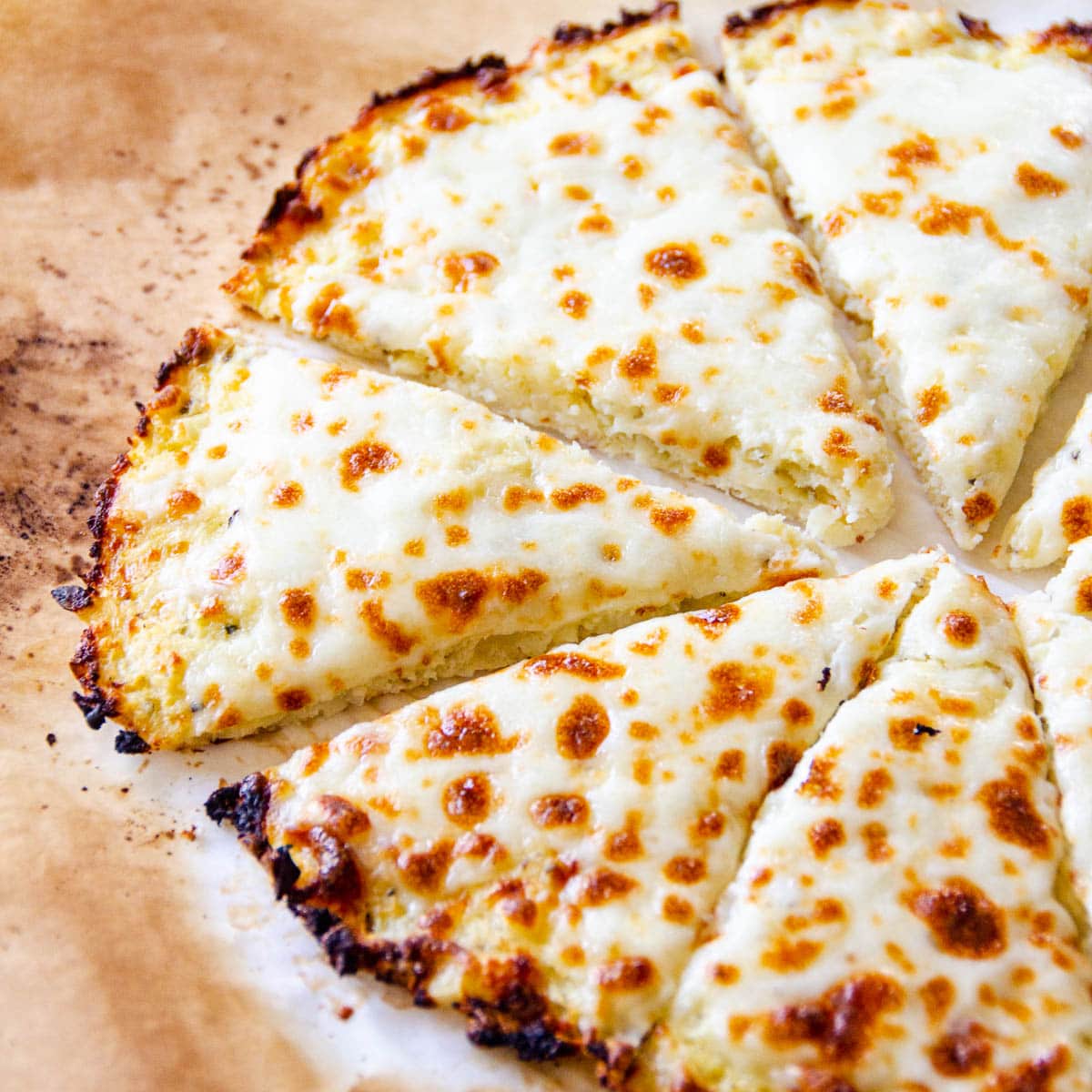
Unlock Guilt-Free Pizza Nights with Homemade Gluten-Free Cauliflower Pizza Crust
Are you craving a delicious, satisfying pizza without the guilt of traditional, carb-heavy dough? Look no further than the incredible cauliflower pizza crust. This culinary marvel has revolutionized pizza night for countless food lovers, offering a healthy, gluten-free, and often grain-free and nut-free alternative that truly satisfies. While grocery store freezers now stock a variety of cauliflower-based products, nothing quite compares to the fresh taste and customizable goodness of a homemade crust. Preparing it in your own kitchen ensures you know exactly what goes into your meal, making it a truly wholesome choice.
For those navigating dietary restrictions such as Celiac disease or gluten intolerance, or simply looking to incorporate more vegetables into their diet, cauliflower pizza is a game-changer. It allows you to enjoy the beloved experience of pizza again, piled high with your favorite toppings, without compromise. Forget the bland, soggy crusts of the past; with the right techniques, your homemade cauliflower pizza crust will be wonderfully crisp, flavorful, and robust enough to hold up to even the most generous toppings.
Why Cauliflower Pizza Crust is a Healthy & Delicious Revelation
The rise in popularity of cauliflower pizza crust isn't just a trend; it's a testament to its incredible benefits. This innovative crust offers a compelling combination of health advantages and surprising deliciousness that challenges everything you thought you knew about pizza. But what exactly makes it so special?
A Nutritional Powerhouse Disguised as Pizza
At its core, cauliflower pizza crust is a brilliant way to increase your vegetable intake. Cauliflower itself is a nutritional superstar, packed with:
- Fiber: Essential for digestive health and promoting a feeling of fullness.
- Vitamins: Particularly rich in Vitamin C and Vitamin K, crucial for immune function and bone health.
- Antioxidants: Which help protect your cells from damage.
- Minerals: Including potassium and manganese.
Compared to traditional wheat-based pizza dough, a cauliflower crust dramatically cuts down on carbohydrates. This makes it an excellent option for those following low-carb, keto, or simply health-conscious eating plans. Furthermore, for individuals with gluten sensitivities or Celiac disease, it provides a safe and enjoyable way to indulge in pizza, as it is inherently gluten-free.
Surprisingly Not Like Cauliflower at All!
One of the biggest concerns people have when trying cauliflower pizza for the first time is, "Will it taste like cauliflower?" The delightful answer for most is a resounding no! When prepared correctly, the flavor of the cauliflower itself is incredibly subtle, almost disappearing into the background. Instead, the crust takes on a neutral, savory profile that allows the added spices and, importantly, your chosen toppings to shine. The real magic happens when you achieve that perfect crisp texture, which truly transforms the experience into something akin to a traditional thin-crust pizza, but without the heavy feeling afterward.
Mastering the Ingredients for Your Best Cauliflower Pizza Crust
Creating a truly exceptional cauliflower pizza crust starts with understanding its fundamental components. While the star ingredient is undeniably cauliflower, the supporting cast plays a crucial role in achieving the desired texture, flavor, and stability. Let's break down the essential elements:
- The Cauliflower: You'll need about one medium-large head of cauliflower, which will be "riced." The beauty here is flexibility. You can use:
- Fresh Cauliflower: Cut into florets, then pulsed in a food processor until it resembles rice. This offers the freshest flavor.
- Frozen Cauliflower Florets: Thaw and then rice them. This can be a time-saver.
- Frozen Riced Cauliflower: The ultimate shortcut! It's already prepared, saving you both chopping and food processing time. This is often the fastest route to getting your crust ready.
- Binding Agent (Egg): Typically, one large egg is used to help bind all the ingredients together. It acts as a crucial adhesive, giving the crust structure and preventing it from crumbling. For a vegan or egg-free alternative, you can experiment with a "flax egg" (1 tbsp ground flaxseed mixed with 3 tbsp water, left to thicken).
- Cheeses (Parmesan & Mozzarella): A combination of ¼ cup grated Parmesan cheese and ¼ cup shredded mozzarella cheese (or similar ratios) not only adds fantastic flavor but also contributes significantly to the crust's texture and binding. The cheeses melt and create a cohesive, slightly chewy, and savory base. For dairy-free versions, use plant-based shredded cheese alternatives.
- Spices: A thoughtful blend of spices elevates the flavor profile. Common choices include:
- Black pepper
- Garlic powder
- Onion powder
- Italian seasoning (a blend of oregano, basil, thyme, rosemary)
These spices infuse the crust with an aromatic depth that complements almost any topping.
The careful balance of these ingredients, particularly the ratio of cauliflower to binder and cheese, is key to a crust that holds together well and bakes to a golden perfection.
The Undisputed Secret to a Crispy, Non-Soggy Cauliflower Pizza Crust
If you've ever been disappointed by a mushy, falling-apart cauliflower pizza crust, whether store-bought or homemade, you're not alone. The single, most critical factor in achieving that coveted crisp texture and structural integrity is simple: moisture removal. Cauliflower is predominantly water, and if you don't extract enough of it, you'll end up with a soggy mess.
Here’s how to master this essential step:
- Cook the Cauliflower:
- For Fresh or Frozen Florets (after ricing): Spread the riced cauliflower on a microwave-safe plate and microwave for 4-5 minutes, or until tender. Alternatively, you can steam it.
- For Frozen Riced Cauliflower: This is a shortcut as it often doesn't need pre-cooking. Simply thaw it.
- The Squeeze is Key: Once cooked (or thawed, for frozen riced), allow the cauliflower to cool slightly so you can handle it. Then, transfer the riced cauliflower to a clean, sturdy cheesecloth, nut milk bag, or even a few layers of paper towels. Now, squeeze! Squeeze with all your might. You'll be amazed at how much liquid comes out – it can be a surprising amount. This step is non-negotiable for a truly crispy crust. Don't skip it, and don't be shy with your squeezing power!
By effectively removing the excess moisture, you're preventing your crust from turning gummy and ensuring it develops that beautiful golden-brown crispness in the oven. For a deeper dive into this crucial technique and more pro tips on achieving perfect crispiness every time, check out our detailed guide: Secret to Crispy: Master Non-Soggy Cauliflower Pizza Crust.
Time-Saving Tricks & Customization for Your Cauliflower Pizza
While the idea of homemade pizza can sometimes feel daunting, making a cauliflower pizza crust offers several clever shortcuts and endless opportunities for customization, making it surprisingly convenient even for busy weeknights.
Smart Shortcuts to Streamline Your Process
- Embrace Frozen Riced Cauliflower: As mentioned, this is arguably the biggest time-saver. It eliminates the need for chopping and food processing fresh cauliflower, getting you straight to the crucial moisture-squeezing step.
- Pre-Bake and Freeze Crusts: Plan ahead by making a double or triple batch of crusts. Form and par-bake them until firm but not fully browned. Let them cool completely, then wrap them tightly in parchment paper and plastic wrap, and freeze. When pizza night rolls around, simply grab a frozen crust, add your toppings, and bake until golden and bubbly. This foresight can transform pizza from a weekend project into a quick weeknight meal.
- Use a Silicone Mat or Parchment Paper: For easy shaping and transfer, always press your crust onto a piece of parchment paper or a silicone baking mat. This prevents sticking and makes moving the delicate crust much simpler.
Unleash Your Creativity with Toppings and Variations
The beauty of a neutral-flavored cauliflower crust is its versatility. It's a blank canvas for almost any pizza creation you can imagine:
- Classic Combos: Think Margherita with fresh basil, pepperoni and mushroom, or a supreme with all your favorite veggies and meats.
- Gourmet Creations: Try a white pizza with ricotta, spinach, and roasted garlic, or a Mediterranean-inspired pie with feta, olives, and sun-dried tomatoes.
- Seasonal Delights: Take advantage of seasonal produce like roasted butternut squash and sage in the fall, or fresh tomatoes and zucchini in the summer.
- Dietary Adaptations: As highlighted, the crust itself is already gluten-free and low-carb. You can easily make it vegan by using flax eggs and dairy-free cheeses, or keep it vegetarian with a rainbow of vegetables.
Remember, the goal is to make pizza enjoyable and healthy without sacrificing flavor. Homemade cauliflower pizza gives you the power to control every ingredient, ensuring a meal that meets your dietary needs and taste preferences. It's not just about health; it's about the superior taste and texture that homemade brings, a culinary experience often missing from mass-produced frozen alternatives. Discover more about why making your own pizza truly stands out in our article: Low-Carb & Flavorful: Why Homemade Cauliflower Pizza Reigns.
Conclusion: Embrace the Homemade Cauliflower Pizza Revolution
Stepping into the world of homemade cauliflower pizza crust is a delightful journey that promises flavor, health, and incredible satisfaction. It's a brilliant solution for those seeking gluten-free, low-carb, or simply more vegetable-rich meals, proving that healthy eating never has to be boring or restrictive. By understanding the core ingredients, mastering the vital moisture-removal technique, and embracing simple shortcuts, you can consistently create a crispy, delicious, and perfectly healthy pizza right in your own kitchen.
So, ditch the frozen aisles and the heavy, guilt-inducing traditional crusts. Gather your ingredients, prepare to squeeze out that moisture, and get ready to enjoy a pizza experience that will leave you feeling nourished, energized, and utterly content. Your homemade cauliflower pizza awaits!
